Tell us about the job
Takes about a minute. No obligation.
Sizing a heat pump for Uinta County means sizing it for a long heating season, not just a cold snap. Homes in Uinta County, WY run heat about ten months a year, from September through June. A heat pump loses capacity as outdoor temperatures drop, so a system that tests well in fall can fall short when January arrives and keep falling short through spring. The contractor has to run a load calculation that accounts for the full arc of cold weather here, then settle on backup heat that covers the gap a heat pump alone cannot close. Get that wrong in a county with this kind of season and the system runs at its ceiling for months on end, which accelerates wear on the compressor and the reversing valve far ahead of schedule.
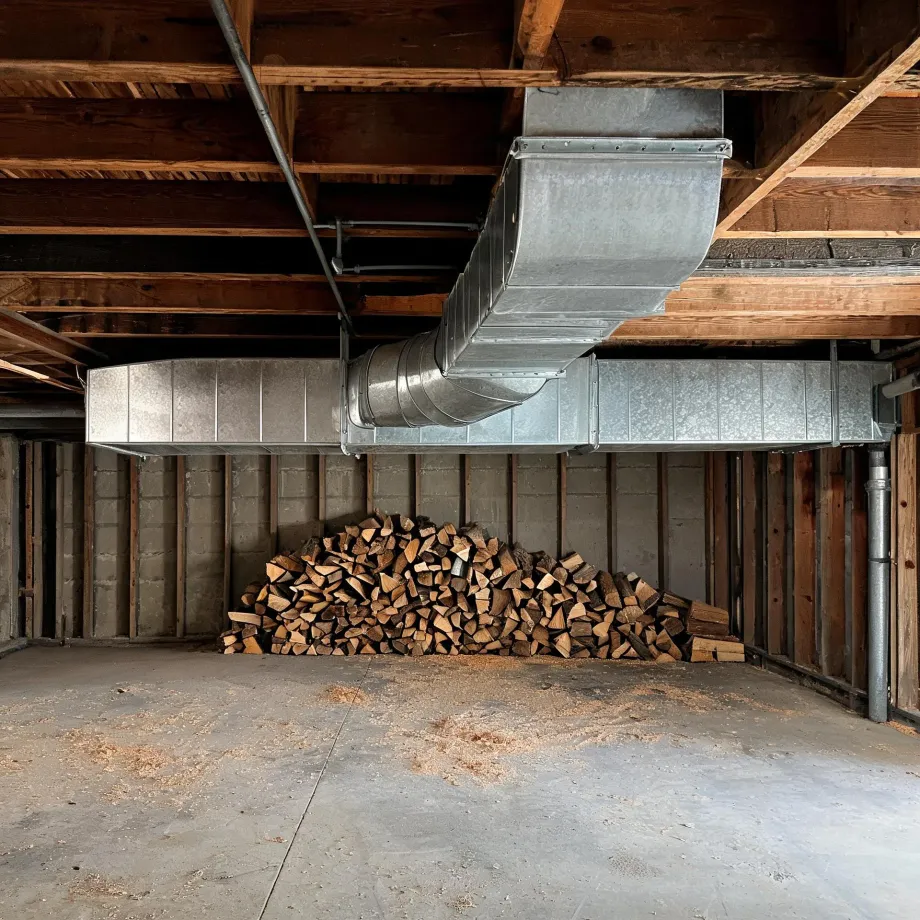
Ductwork designed around a gas furnace runs hotter air at lower volume than a heat pump requires, and what passes as adequate for one system can leave a new one starved or unbalanced. Half the homes in Uinta County, Wyoming were built in 1984 or earlier (2020-2024 ACS 5-year). That spread of building years means a contractor sizing and routing a heat pump install has to assess whether the existing duct layout can move the air volume the new equipment needs, before anything else on the job is priced. Electrical service comes into it too, since a panel originally built for a furnace and window units draws differently than a heat pump on the same circuits.
What Gets Installed With a New Heat Pump
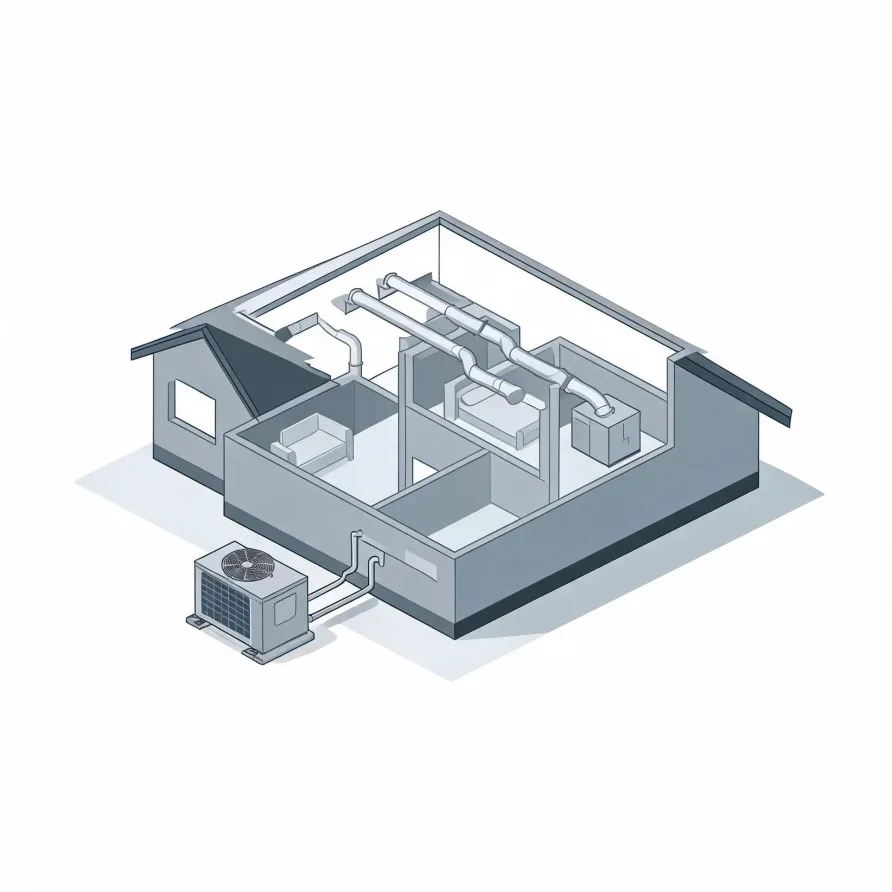
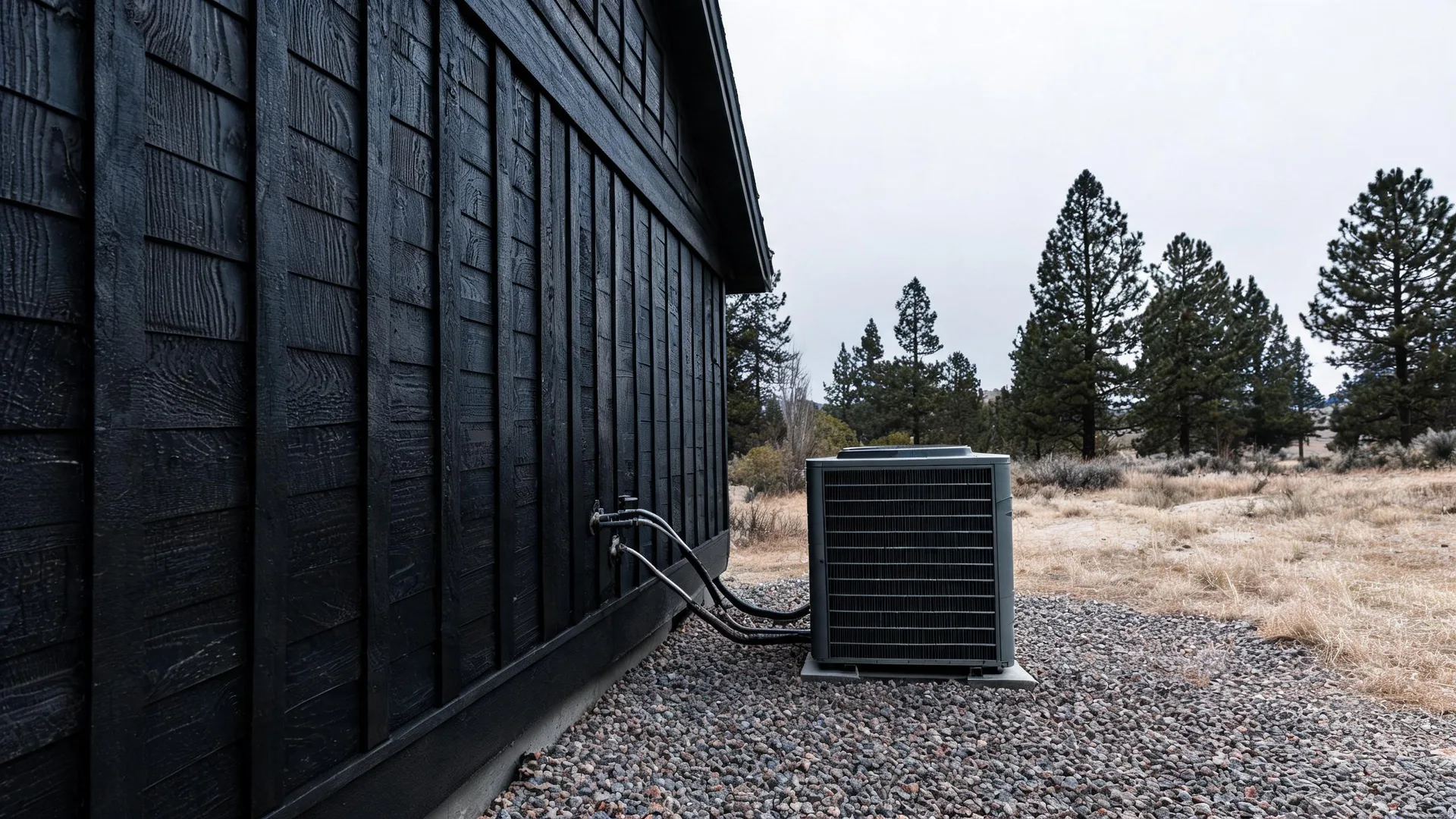
The outdoor unit is the piece most homeowners notice first. It sits on a pad outside the house and holds the compressor and the main coil. Inside, the air handler mounts in a mechanical room, closet, or attic space and moves conditioned air through the home.
A refrigerant line set runs between the two units, carrying the working fluid back and forth through insulated copper tubing. A thermostat goes on an interior wall where it reads the living space and tells the system when to run.
The drawing shows a typical layout, and a licensed contractor determines exactly how each piece fits the conditions of your house.
Find a contractor in Uinta CountyUinta County, by the numbers
62 severe weather events were recorded in Uinta County, Wyoming between 2015 and 2024.
NOAA National Centers for Environmental Information, Storm Events Database, bulk CSV export, events 2015-01-01 through 2024-12-31.Half the homes in Uinta County, Wyoming were built in 1984 or earlier (2020-2024 ACS 5-year).
U.S. Census Bureau, 2020-2024 American Community Survey 5-Year EstimatesUinta County, Wyoming holds 8,901 housing units (2020-2024 ACS 5-year).
U.S. Census Bureau, 2020-2024 American Community Survey 5-Year EstimatesOwners occupy 76.6% of the occupied homes in Uinta County, Wyoming (2020-2024 ACS 5-year).
U.S. Census Bureau, 2020-2024 American Community Survey 5-Year EstimatesSevere Weather Events in Uinta County
Uinta County's climate puts real demands on heating and cooling equipment, and those demands compound over years of hard use. A heat pump sized and installed for local conditions handles that load differently than one spec'd for somewhere else.
62 severe weather events, 2016–2024. Source: NOAA National Centers for Environmental Information, Storm Events Database.