Tell us about the job
Takes about a minute. No obligation.
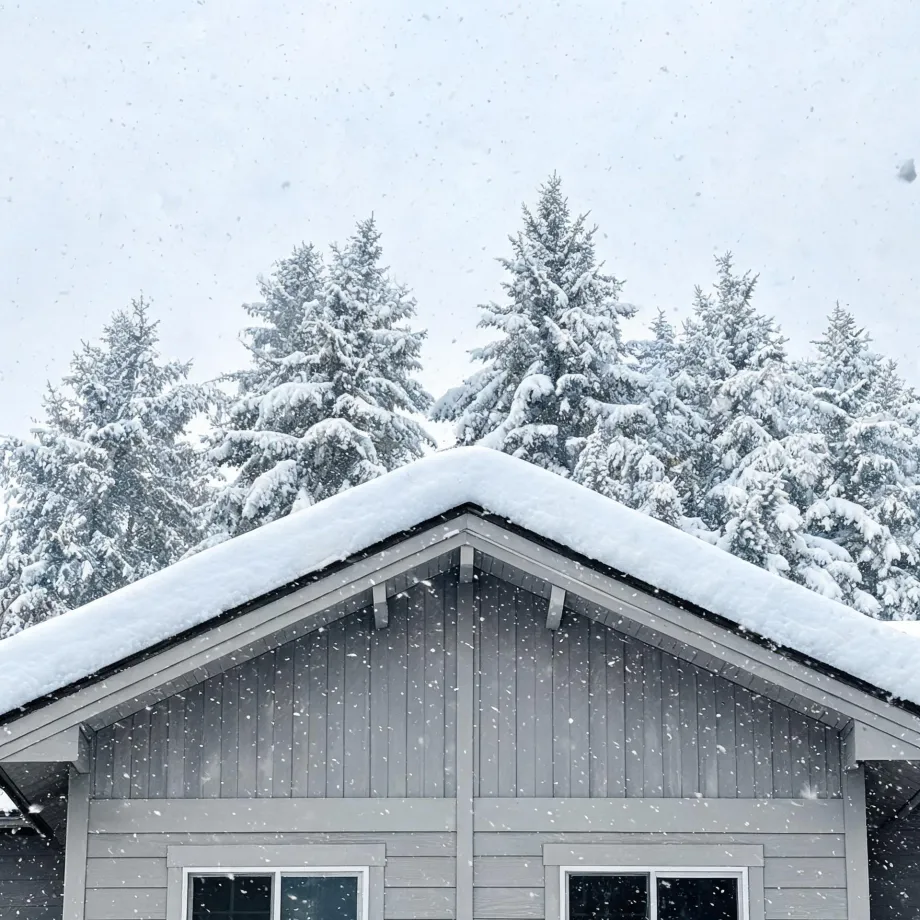
Sizing a heat pump for Niobrara County starts with one fact that shapes every other decision a contractor makes. Homes in Niobrara County, WY run heat about nine months a year, from September through May. A heat pump's capacity drops as outdoor temperatures fall, so the gap between what the unit can deliver on a cold January night and what the house actually needs determines how much work the backup heating element carries. Installers who treat the load calculation as a formality leave homeowners with a system that leans on resistance heat through the hardest weeks of the year, which is an expensive substitute. Getting the primary sizing right before anything else is priced or ordered is the work that prevents that.
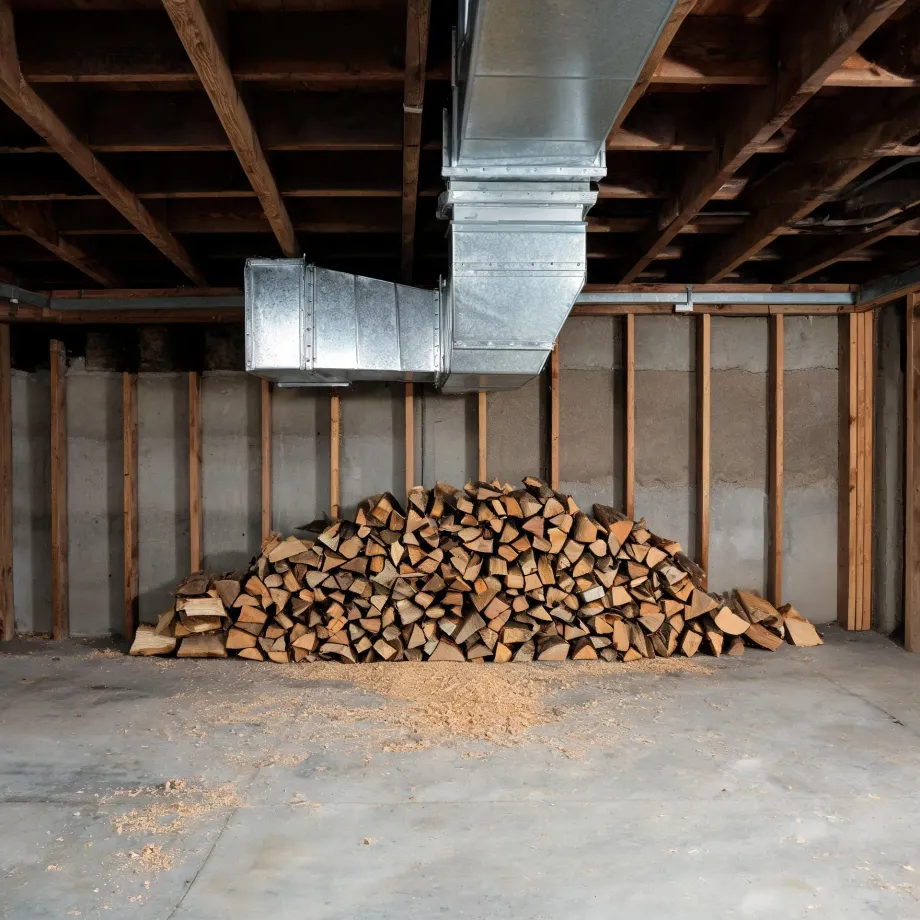
Ductwork and electrical service installed for one system do not automatically carry the next one. Half the homes in Niobrara County, Wyoming were built in 1962 or earlier (2020-2024 ACS 5-year). A house wired and ducted that long ago was built around equipment that no longer exists in it, and what a contractor finds when they open the walls or pull the panel determines whether the installation is straightforward or whether the service capacity has to be addressed first. The electrical load a heat pump draws is the variable that forces that question into the open.
What Gets Installed With a New Heat Pump
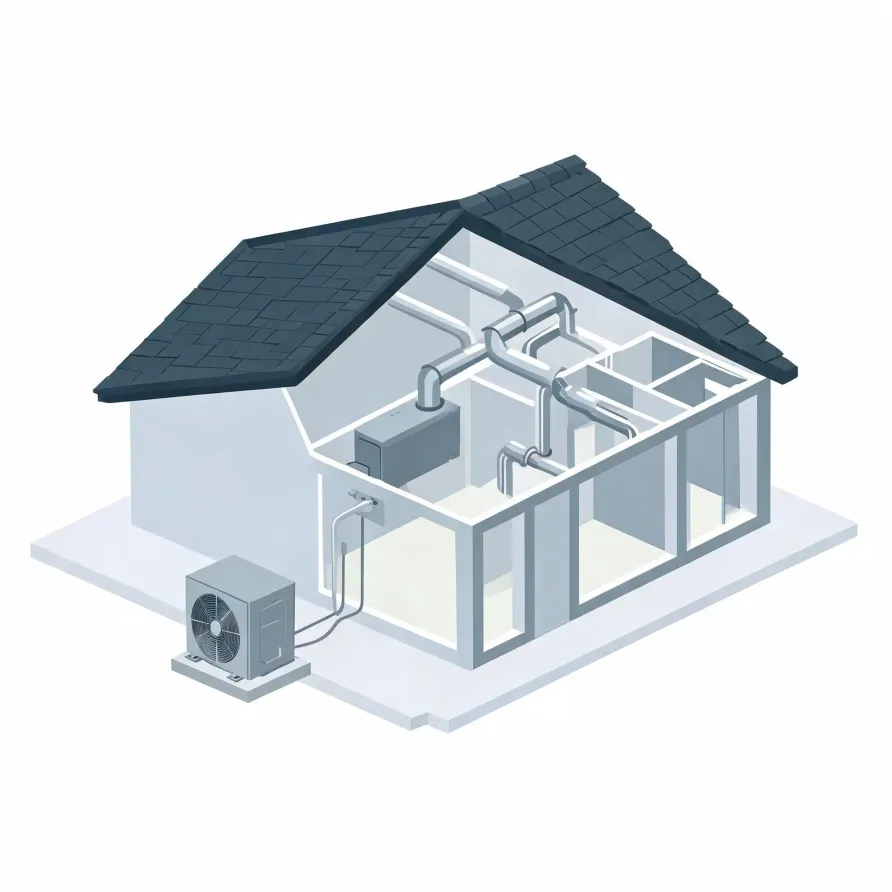
The outdoor unit is the piece a homeowner sees first, set on a pad beside the house. It holds the compressor and the outdoor coil, and it is where the system pulls heat from outside air. Inside, the air handler mounts in a utility space, closet, or attic and moves conditioned air through the home.
A refrigerant line set runs between the two units, carrying the refrigerant that makes the exchange possible. A thermostat goes on an interior wall where it reads the living space and tells the system when to run. Together these pieces form the complete installed system.
The drawing shows the general layout of a heat pump system, and a licensed contractor determines exactly what applies to your house.
Find a contractor in Niobrara CountyNiobrara County, by the record
198 severe weather events were recorded in Niobrara County, Wyoming between 2015 and 2024.
NOAA National Centers for Environmental Information, Storm Events Database, bulk CSV export, events 2015-01-01 through 2024-12-31.Half the homes in Niobrara County, Wyoming were built in 1962 or earlier (2020-2024 ACS 5-year).
U.S. Census Bureau, 2020-2024 American Community Survey 5-Year EstimatesNiobrara County, Wyoming holds 1,425 housing units (2020-2024 ACS 5-year).
U.S. Census Bureau, 2020-2024 American Community Survey 5-Year EstimatesOwners occupy 61.8% of the occupied homes in Niobrara County, Wyoming (2020-2024 ACS 5-year).
U.S. Census Bureau, 2020-2024 American Community Survey 5-Year EstimatesSevere Weather Events in Niobrara County
Weather places a measurable load on heating and cooling equipment, and that load varies by location. A heat pump sized and installed for what Niobrara County actually experiences will run more efficiently and last longer than one chosen without that context.
198 severe weather events, 2015–2024. Source: NOAA National Centers for Environmental Information, Storm Events Database.