Tell us about the job
Takes about a minute. No obligation.
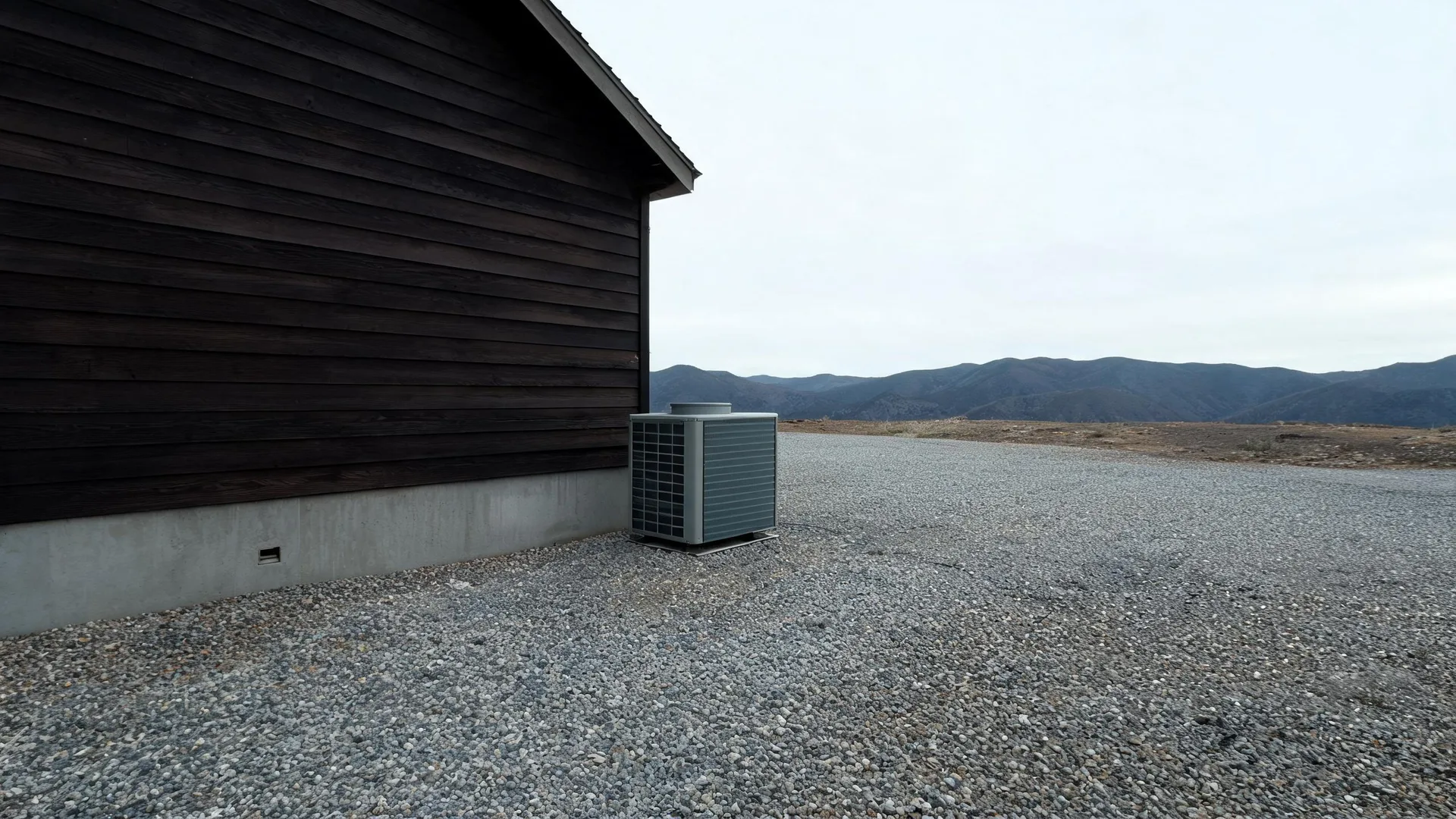
A contractor diagnosing a heat pump here looks at the reversing valve and the refrigerant circuit before anything else. Homes in Platte County, WY run heat about nine months a year, from September through May. That long heating run keeps the compressor cycling against falling outdoor temperatures, which is where a heat pump works hardest. Capacity drops as the air gets colder, so the system runs longer strokes to hold the setpoint, and the reversing valve toggles through that load all winter. By the time a repair call comes in, the refrigerant circuit carries the visible record of that work.
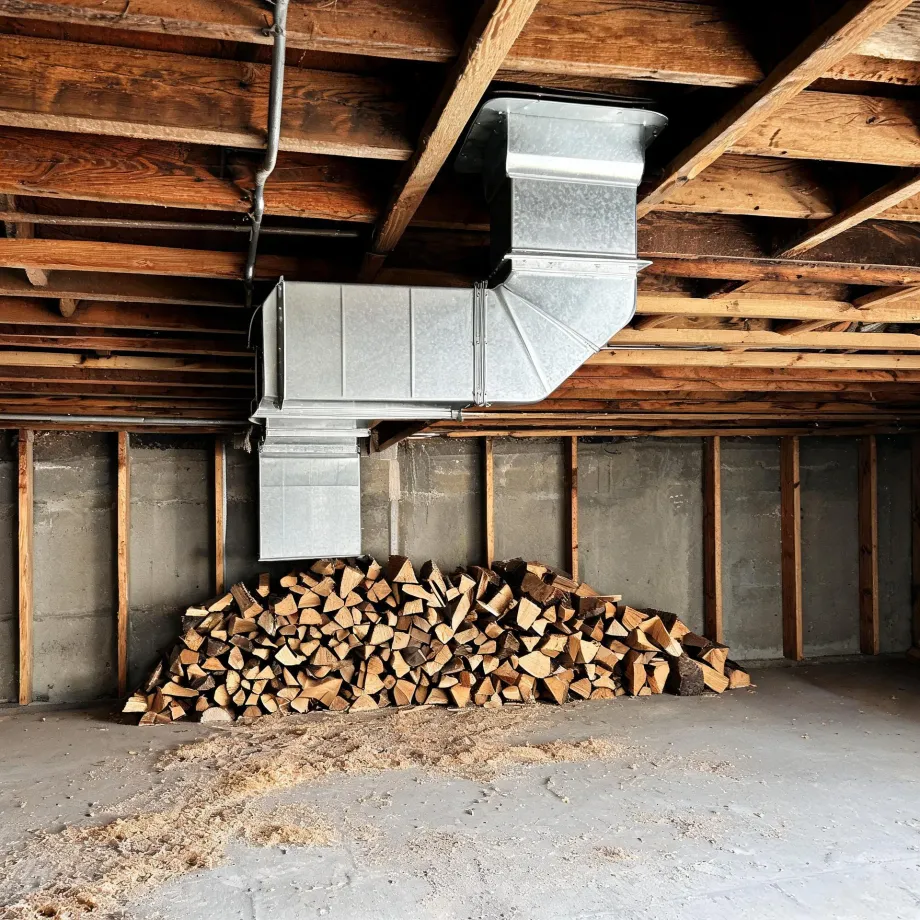
Refrigerant circuits and control boards from equipment installed in older housing stock do not always have parts that are still manufactured, and that is the first thing a contractor checks before quoting a repair. Half the homes in Platte County, Wyoming were built in 1976 or earlier (2020-2024 ACS 5-year). A house that old has almost certainly had at least one system replaced since it was built, which means the equipment inside has its own age and its own parts situation separate from the building's. If a failed component is no longer in production, the repair becomes a sourcing problem, and the quote reflects that.
The Parts of a Heat Pump a Contractor Checks First
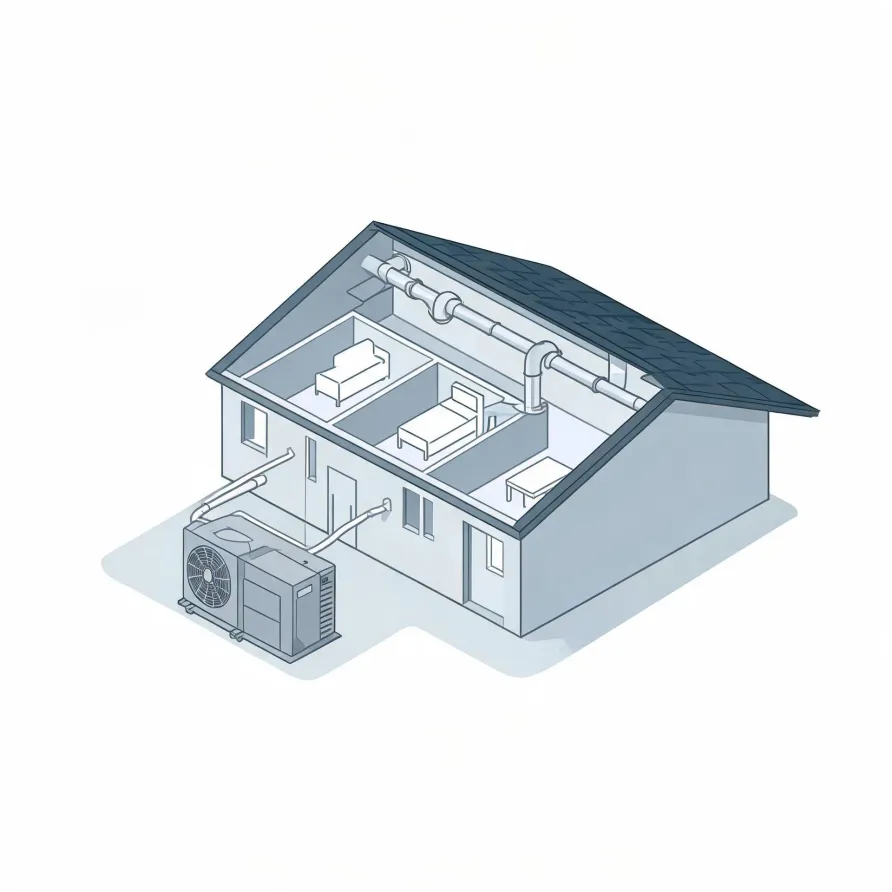
The outdoor unit sits on a pad beside the house and holds the compressor and condenser coil. These are where most faults show up. A failed compressor, a refrigerant leak at the coil, or a capacitor that has given out will each stop the system from moving heat, so a contractor starts here.
The air handler lives inside, usually in a closet, utility room, or attic, and it holds the indoor coil and the blower fan. The expansion valve sits between the two coils and controls refrigerant flow. When the indoor coil ices over or the blower runs but no conditioned air reaches the rooms, the fault often traces back to one of these pieces.
The drawing shows the general layout of a heat pump system, and a licensed contractor determines what applies to the specific equipment and configuration in your house.
Find a contractor in Platte CountyPlatte County by the Numbers
905 severe weather events were recorded in Platte County, Wyoming between 2015 and 2024.
NOAA National Centers for Environmental Information, Storm Events Database, bulk CSV export, events 2015-01-01 through 2024-12-31.Half the homes in Platte County, Wyoming were built in 1976 or earlier (2020-2024 ACS 5-year).
U.S. Census Bureau, 2020-2024 American Community Survey 5-Year EstimatesPlatte County, Wyoming holds 4,688 housing units (2020-2024 ACS 5-year).
U.S. Census Bureau, 2020-2024 American Community Survey 5-Year EstimatesOwners occupy 76.1% of the occupied homes in Platte County, Wyoming (2020-2024 ACS 5-year).
U.S. Census Bureau, 2020-2024 American Community Survey 5-Year EstimatesSevere Weather Events in Platte County
Weather extremes put heat pumps under sustained stress, and the harder a system works to hold a set temperature, the faster its components wear. Repair needs in Platte County are shaped by local conditions, which is why the record here matters.
905 severe weather events, 2015–2024. Source: NOAA National Centers for Environmental Information, Storm Events Database.