Tell us about the job
Takes about a minute. No obligation.
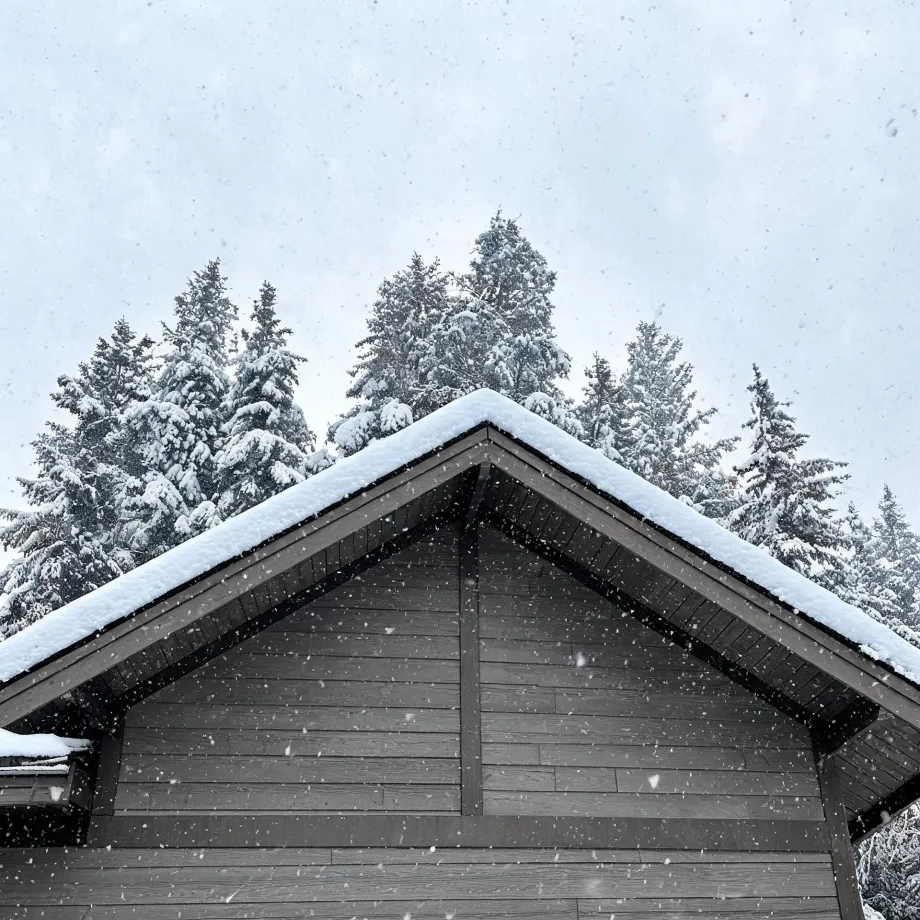
A heat pump running on a repair call here has already been cycled hard through both heating and cooling demand. Homes in Sublette County, WY run heat in every month of the year. The reversing valve, which shifts the system between modes, and the refrigerant circuit carrying that load take the brunt. A contractor diagnosing a fault in this county starts with those components, because the run time this climate extracts from them shows up in coil condition, refrigerant pressure, and valve response before anything else fails.
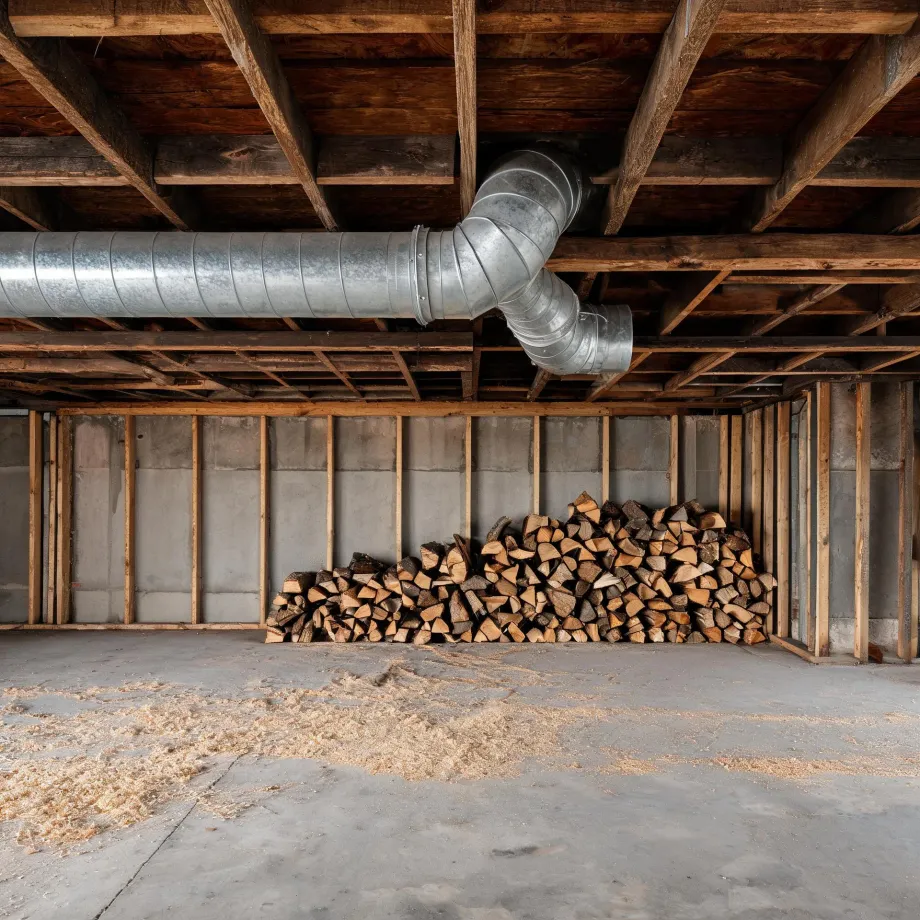
What a heat pump repair turns up in an older house is often shaped by what that generation of equipment was built around. Half the homes in Sublette County, Wyoming were built in 1985 or earlier (2020-2024 ACS 5-year). A compressor or reversing valve from that era may still be running, but the parts it takes can be slow to source or no longer stocked by regional suppliers. That gap between what the unit needs and what a distributor carries is where repair timelines stretch, and a contractor has to confirm parts availability before committing to a repair path rather than after.
The Parts of a Heat Pump a Contractor Checks First
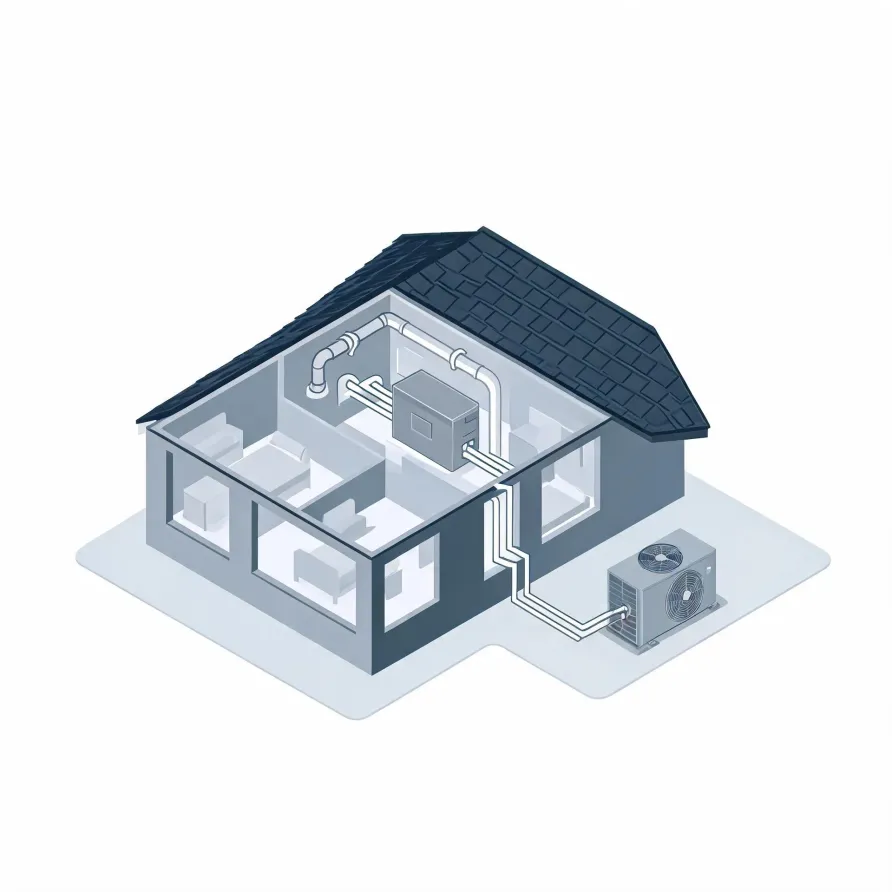
The outdoor unit sits outside the house and holds the compressor and the condenser coil. These are where most faults show up. A failing compressor may not move refrigerant at all, and a damaged condenser coil can cause the whole system to stop heating or cooling the house.
The air handler sits inside, usually in a utility closet or attic, and pushes conditioned air through the home. It holds the evaporator coil and the blower. The refrigerant lines running between the two units and the expansion valve that regulates refrigerant flow are the other pieces a contractor traces when a fault is not obvious at either unit.
The drawing shows the general layout of a heat pump system, and a licensed contractor determines which parts apply to the specific setup in your house.
Find a contractor in Sublette CountySublette County by the Numbers
352 severe weather events were recorded in Sublette County, Wyoming between 2015 and 2024.
NOAA National Centers for Environmental Information, Storm Events Database, bulk CSV export, events 2015-01-01 through 2024-12-31.Half the homes in Sublette County, Wyoming were built in 1985 or earlier (2020-2024 ACS 5-year).
U.S. Census Bureau, 2020-2024 American Community Survey 5-Year EstimatesSublette County, Wyoming holds 5,280 housing units (2020-2024 ACS 5-year).
U.S. Census Bureau, 2020-2024 American Community Survey 5-Year EstimatesOwners occupy 83.6% of the occupied homes in Sublette County, Wyoming (2020-2024 ACS 5-year).
U.S. Census Bureau, 2020-2024 American Community Survey 5-Year EstimatesSevere Weather Events in Sublette County
Weather in Sublette County puts real demands on heat pump systems, and those demands accumulate over time. A unit that runs hard through harsh conditions is a unit more likely to need attention, which is why local weather history matters when you are thinking about repair.
352 severe weather events, 2015–2024. Source: NOAA National Centers for Environmental Information, Storm Events Database.